
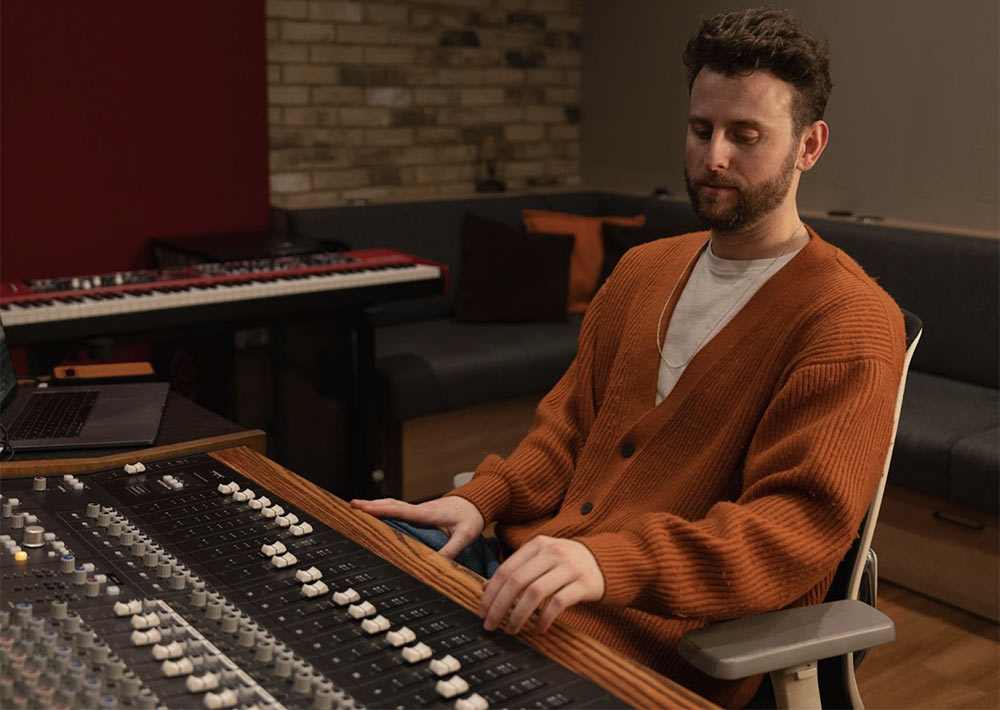
The Online Recording Studio’s Joe Wadsworth: “I remember how exciting it was when it was all starting up – connecting with so many artists who genuinely cared about their songs.” Photo: Felix Pilgrim
The remote music production service where songwriters skip traditional studios, keep creative control, and still release professionally produced, chart-ready music
For many songwriters, the gap between a rough voice memo and a finished track can feel daunting. Traditional studios are expensive and high-pressure, while DIY production is time-consuming and technical. Sitting between those two worlds is The Online Recording Studio (TORS), a fast-growing remote production service founded by producer Joe Wadsworth.
TORS pairs songwriters with carefully selected producers to complete songs remotely. To date, artists working with TORS have amassed hundreds of millions of streams, achieved chart hits and number-one records, and secured dozens of sync placements across film, TV, and digital media – all while retaining creative control and ownership of their work.
In this in-depth conversation, Joe explains how TORS began, why remote production often works better than traditional studio sessions, and how songwriters can protect themselves online.
Get a FREE Song Feedback Session
How did this all begin? What’s the origin story of The Online Recording Studio?
“It all started when I was at university back in 2014. Having grown up in London and wanting to try something new, I moved up north and enrolled in a Music Production degree in Leeds. I was excited to be immersed in music full-time and surrounded by other people who wanted to make records for a living.
“As the course went on, I realised that it was largely taught by people who had come through the same academic route themselves. I felt that while it was a useful foundation, it wasn’t really set up to show how the music industry actually works in practice, or how independent artists build careers outside of formal structures.

Songwriter’s guide to home recording: laptop vs desktop
Our resident music production aficionado Dave Chrzanowski explains the basi... Read More+Paula Wolfe’s Lessons Learned
Reimagining ‘Staring’ – the singer, so... Read More+Songwriter’s guide to home recording: software
Our music production guru Dave Chrzanowski is back to talk about the DAWs a... Read More+

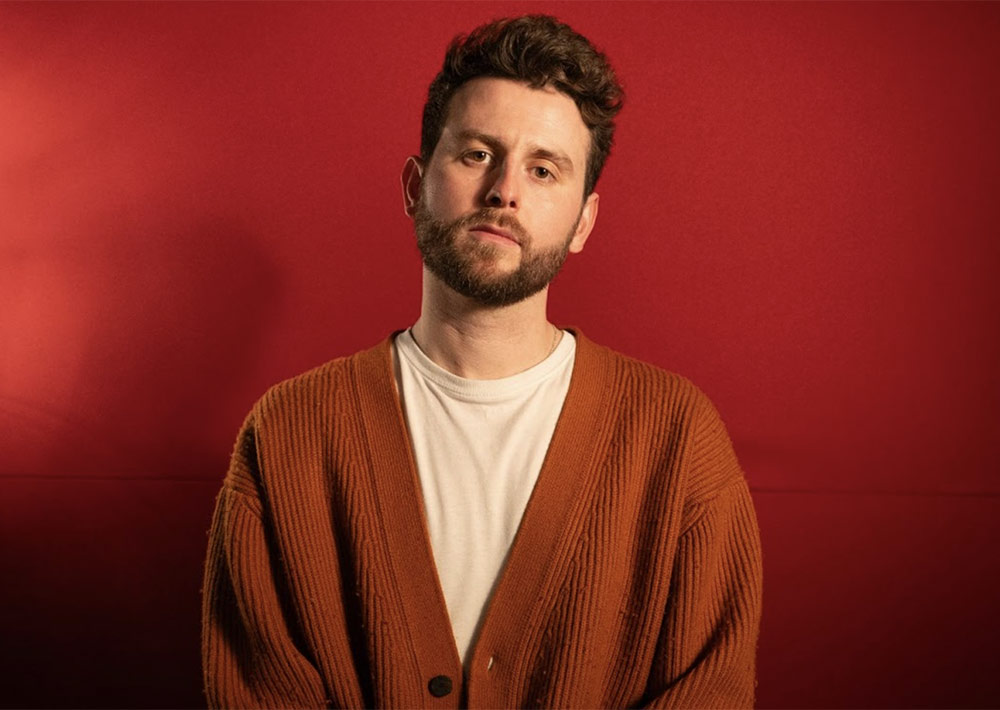
The Online Recording Studio’s Joe Wadsworth: “It was exactly what it said on the tin: a way for artists to work with producers remotely, without needing industry connections or a traditional studio setup.”
“Because of that, I started looking elsewhere to understand how artists were actually sharing music and building connections beyond those traditional systems. I know it probably sounds strange now, but I didn’t really have Instagram growing up – it just wasn’t something that interested me as a teenager. When I got to university, though, I realised pretty quickly that if people were releasing music or sharing their work in any meaningful way, Instagram was where that was happening, so I decided to set up an account for myself.
A magazine to keep. An archive to explore.
Get the latest edition, 40+ back issues, 3,200+ website articles and expert insights for songwriters
“Right away, I started seeing artists from all over the world sharing simple videos of themselves – often just with a guitar or a ukulele – putting their songs out there in the hope of connecting, either with listeners or with other creatives.
“I started reaching out to them directly, one message at a time, and offering to produce their songs. At the beginning, I was doing most of the production myself, recording everything in my dorm room. I’d record the parts I could play and piece the songs together there. If an artist wanted something I couldn’t play myself, I’d knock on doors on my floor and bring in another student to record it.
“Within about six weeks, dozens of artists had said yes. At the same time, I was living in a huge student accommodation block full of aspiring producers who were desperate to work on real music. It quickly became obvious to me that there were two groups who needed each other – songwriters looking for collaborators, and producers looking for meaningful projects – but there was no simple, accessible way for them to connect.
“Over the next few months, we worked on hundreds of songs with artists from all over the world. At that point, the project was called MyFirstSingle – my thinking being that we were just helping artists working on their very first single. However, the ‘Single’ element of the name, it turned out, led some people to think it was some kind of dating platform. Genuinely.
“I remember how exciting it was when it was all starting up – connecting with so many artists who genuinely cared about their songs. It gave me confidence that this wasn’t just a side project; there was a real demand for a more accessible, artist-focused way of making music.
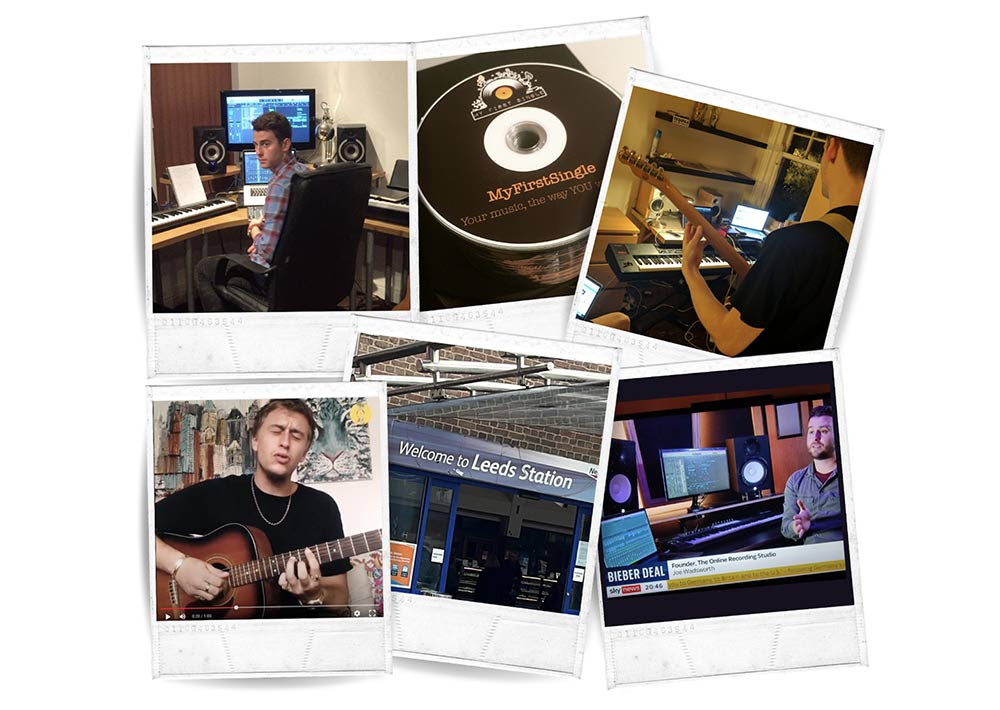
The Online Recording Studio (TORS) started when Joe was in Leeds back in 2014, when it was originally called MyFirstSingle.
“At that point, the question stopped being whether this could work, and became how to do it properly. As demand grew, the focus shifted towards raising the overall quality and consistency of the work. That meant gradually bringing in more experienced producers, building a proper team, and turning what had started as a student project into a service we could genuinely stand behind. Remember, this was pre-Covid, so recording online was not a standard way of doing things. There was almost no one else really providing this in this way.
“I realised the name needed to be clearer, so I went very literal and called it The Online Recording Studio. It was exactly what it said on the tin: a way for artists to work with producers remotely, without needing industry connections or a traditional studio setup.”
You’ve worked with writers all over the world. Which stories really stay with you?
“It’s difficult to pick just one, because one of the best parts of this job is that everyone comes to it with their own background and their own reasons for making music. That variety – getting to work with people from completely different places and stages of life – is probably my favourite part of what we do.
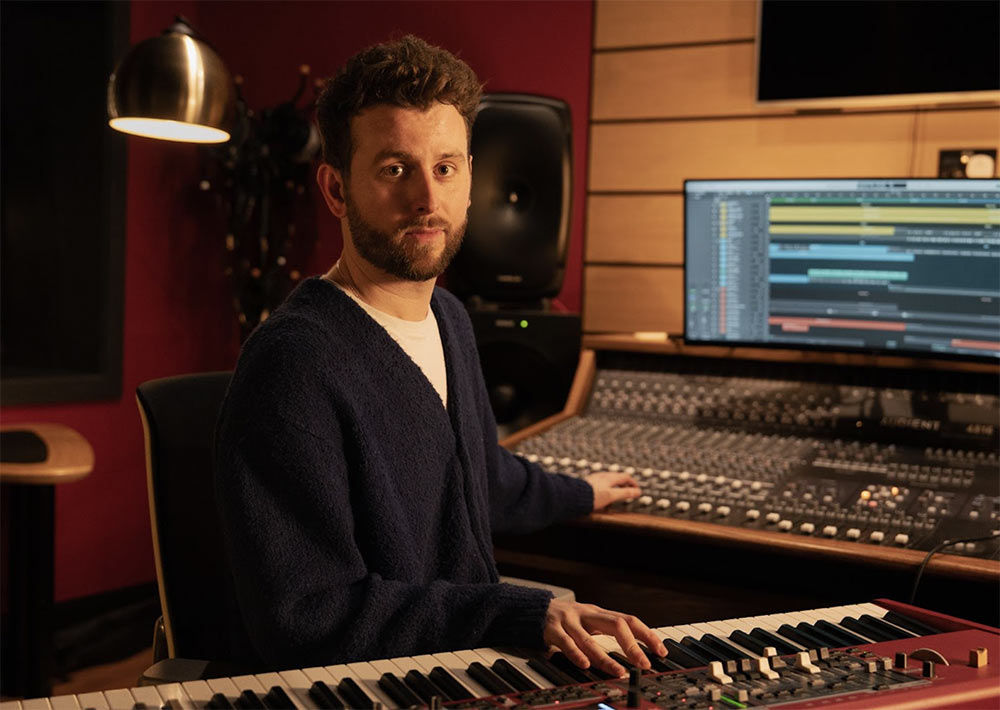
The Online Recording Studio’s Joe Wadsworth: “With anything to do with music production, the outcome is the most important thing.” Photo: Felix Pilgrim
“What the work means to someone can be very different depending on where they’re at, so the stories that stay with me aren’t always about the music itself, but about what it represents for that person at that moment.
“I remember an artist called Kyle, from the south of the US, who was quite shy about sharing his music. He’d written this song called I Don’t Like Some People and wanted it to be this bluesy thing. About two weeks into working on it, he had a really serious car accident and couldn’t continue for four or five months.
“Throughout that time, he was still messaging us from the hospital, telling us what was going on – big surgery, a long recovery. When he eventually came back to finish the song, he told us that one of the main things motivating him to get better was knowing he’d be able to come back and work on his music again.
View this post on Instagram
“Another one that really stands out is Keiji, an older guy in Japan who didn’t speak English. We used to communicate entirely through emails that he put into Google Translate. He got in touch and said he wanted to make songs in the style of Bruce Springsteen. So we did.
“His first song was about Che Guevara, called Guerrilla Struggle Diary. Suddenly, the track was charting on Japanese blues and country charts. Somehow, it ended up being heard by the Japanese embassy in Cuba. He ended up being flown to Cuba to perform it, and they made a documentary about him.
“Moments like that really underline what I love about this work. You can help someone with what feels like a small, very personal project, and it can end up having an impact far beyond anything you could have predicted.”
How do you go about matching a songwriter with the right producer?
“That’s really where we try to differentiate ourselves from platforms like SoundBetter or Fiverr. Those services can be useful, but they’re essentially open marketplaces – a lot of the responsibility for finding the right producer falls on the artist. If you already know exactly what you’re looking for and how to manage that process, it can work. But for a lot of artists, it’s a big ask.
With us, every artist has a proper conversation before they’re ever connected with a producer – usually at least 30 minutes. You just can’t learn enough about someone over email alone. You need to understand who they are, how they talk about their music, what their goals are, what they’re confident about, and where they might need more support.
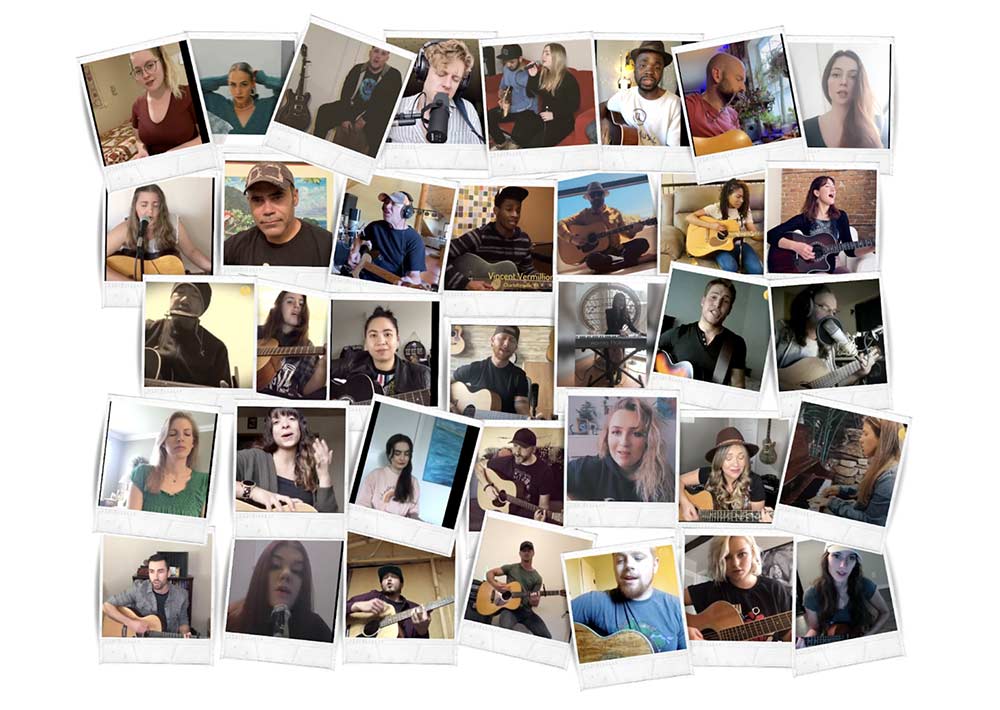
The Online Recording Studio pairs songwriters with carefully selected producers to complete songs remotely.
When it comes to matching someone with a producer, the sound is obviously the starting point – can this person help bring the song into the right sonic world? But beyond that, there are a lot of other factors that really matter. How does the artist like to work? How much guidance do they want? What’s their experience level? What kind of communication suits them? What are their musical references and tastes?
We’re very conscious of avoiding relationships that feel purely transactional – the ‘I pay you, you send me a song’ model. That’s not particularly satisfying for either side, and it’s rarely where the best work comes from. We want artists to feel understood and supported throughout the process. It’s about building lasting relationships between artists and producers.
A lot of the final decision comes down to knowing our producers really well. After working closely with them, you develop a strong sense of who will work well with who. Sometimes it’s quite instinctive – you just know that a particular producer and artist are going to bring the best out of each other.”
For writers used to physical studios, what are the less obvious advantages of working remotely?
“With anything to do with music production, the most important thing is the outcome – and the outcome isn’t just about the equipment you use. It’s also about how someone feels when they’re making the music. Are they comfortable? Are they relaxed? Are they in the right headspace to give a good performance?
“For a lot of artists, traditional studios can be quite high-pressure environments. You’re in a new space, you’re conscious of time because you’re paying by the hour, and you’re often working with someone you don’t know very well. That can make it harder to relax or take creative risks.
“So, beyond the clear advantages around cost and flexibility, one of the less obvious advantages of working remotely is that it removes much of that pressure. Artists can work from a space they’re comfortable in – sometimes even the room they wrote the song in – without being against the clock. They can take their time, do more takes, and let performances develop naturally.
“In our experience, that often leads to better results. People feel more at ease, more open to experimenting, and ultimately more confident in what they’re putting out.”
What’s the minimum tech setup and songwriting “readiness” you like people to have?
“In terms of tech, the barrier to entry really isn’t that high. At a minimum, you need a basic microphone and ideally an audio interface. I’ve personally used the same Focusrite Scarlett 2i2 for about 15 years. I’d generally avoid direct USB microphones, and if there’s one place not to cut corners, it’s the mic – but that doesn’t mean spending thousands.
View this post on Instagram
“You absolutely don’t need a top-of-the-line setup or a professional studio at home to make great music. A lot of people start by buying very expensive equipment because they think that’s what’s required, and then end up spending a lot of time trying to justify using it. In reality, it’s much better to buy only what you actually need to do the job you’re trying to do.
“Fundamentally, you need to be able to record good vocals and have enough flexibility to experiment musically. Something like a Rode NT1-A is a great microphone to start with, and if you want to spend a bit more, an AKG C414 is also a solid option. Beyond that, a simple interface, a computer, and basic recording software is usually more than enough. GarageBand is great, and for non-Apple users, we work with plenty of artists using Audacity.
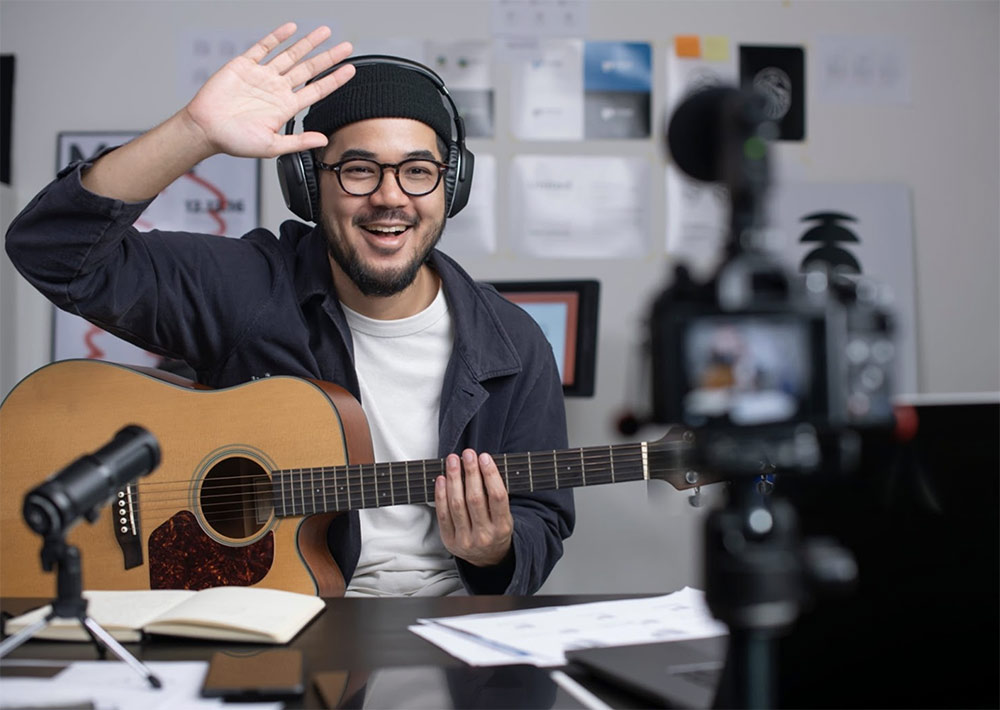
The Online Recording Studio found that remote production often works better than traditional studio sessions
“In terms of songwriting ‘readiness’, it really varies. Some people send us a simple voice memo, others come in with a fully recorded demo. The main thing is that there’s a song there – a structure we can work with. If you’ve got verses and a chorus, even if you don’t yet know exactly how it should sound, that’s usually the right point to get started.”
Once the song exists, what are the most common mistakes you see in demos?
“One of the most common things I mention is key choice. A lot of songwriters end up singing in a key that’s comfortable – which makes total sense – but not one that really shows the song or their voice at its best. Quite often, I’ll suggest pitching it up a semitone or a tone, and people are surprised by how much it lifts the whole thing.
“Another common mistake is overcomplicating demos. When you’re sharing a demo, the most important things are the vocal and the core harmony. There’s no need for a big arrangement if the song itself isn’t coming through. The purpose of a demo is to communicate the idea – often just guitar and vocal, or piano and vocal, is enough.
“We’re also careful about how we listen to demos for the first time. We like to hear the song without any context around references or direction – things like ‘this should sound like X artist’ or ‘this is meant to be this kind of track’. That initial, unbiased listen gives us a much clearer sense of what’s already there, and creates a stronger starting point for the next conversation.”
You’ve seen a lot of the “dark side” of online services. What should songwriters really be worried about?
“This is something I feel quite strongly about, and it’s also an area that’s getting more complicated, particularly with AI coming into play. That’s true both in terms of how music is being made, but also in how easy it now is for people to present themselves as something they’re not – whether that’s using AI-generated music, or even setting up fake profiles and businesses that look legitimate on the surface.
“One thing people often worry about is having their song stolen when they work with someone online. In reality, that’s very rare. A song on its own isn’t especially valuable — it takes a lot of time, money and effort to actually do anything meaningful with it. The real risks tend to be more subtle.
“We’re increasingly seeing artists pay for ‘production’ online and receive something that’s entirely AI-generated, sometimes without being told. In more extreme cases, people are being outright scammed – artists spending $10,000 or $15,000 on what they thought was a fully produced album, with artwork, streams, social followers, etc., all AI-generated – in some cases being asked to pay in completely unorthodox ways, like Apple gift cards. That should always be a red flag.
“It’s important to remember that you should always be able to speak to the person you are working with. They should exist online in multiple places and not be hard to contact. If you can’t get them on a call, or a Zoom, or visit their office and are only able to connect via email – that’s a red flag. If you are paying to work with someone, you are the customer; you are not ‘lucky to be working with them’.
“Another big issue is services that monetise hope rather than outcomes. There are platforms that charge monthly or yearly subscriptions to ‘pitch’ songs for sync or placements, with very little transparency or accountability. Artists are sold the idea that their song might end up in a Netflix film, when in reality, the odds of that happening are extremely small. If a company’s bottom line won’t be affected whether you get the outcome you want or not, that’s a red flag.
“We’re very clear about what we do and what we don’t promise. We’re not promising success, we’re helping artists make great records. In our producer handbook, it’s explicit that if anyone claims they can guarantee an outcome they don’t control, they’re off the team.
“I think it’s important for artists to remember that the real asset is the music itself. The value isn’t in how much you pay someone to potentially introduce you to someone else – it’s in owning good songs and building from there. In the world of sync licensing, the library/sync agency makes money by taking a fee for licensing your music, not because you pay them.”
So what’s your take on AI tools and how should songwriters think about them?
“AI tools are obviously becoming a big part of the conversation, and I think it’s important to approach them with a bit of perspective. Tools like Suno can be great for experimentation – you can very quickly hear what a song might sound like in a different style, or explore ideas you might not have arrived at on your own.
“The issue is that it’s also very easy to hear when something is AI-generated. We’ve had a number of tracks sent to us over the last six months that are full productions, but within a few seconds, you can tell they’ve come from the same place. The country songs sound the same, the rock songs sound the same – and in a landscape where originality really matters, that’s a problem.
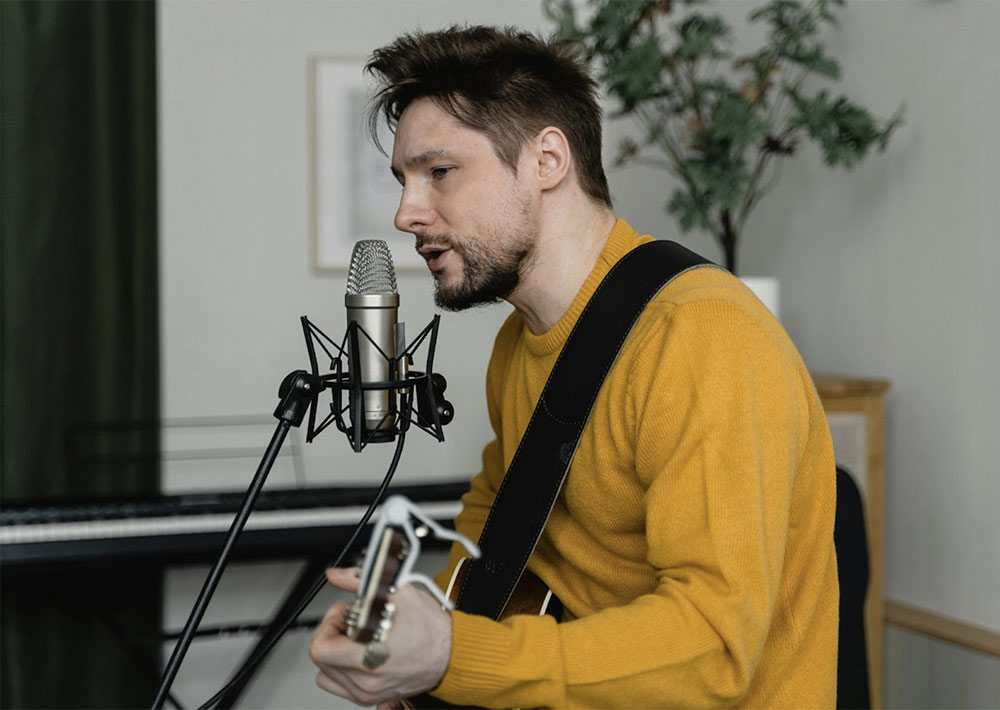
The Online Recording Studio is offering a free 20-minute song feedback session with a senior producer from the TORS team.
“What often happens is that when we talk to artists who’ve been using those tools heavily, they realise they don’t actually know what their song sounds like yet – they know what the AI version sounds like. That’s usually the point where it becomes clear why working with a human producer still matters. It does feel a bit like something out of Blade Runner to explain why humans are still better music producers.
“There’s also a very practical side to this. A lot of publishers, libraries and sync agencies aren’t accepting AI-generated music, and there are ongoing questions around ownership and how these tools were trained. So relying on AI output doesn’t just risk flattening your sound – it can also limit where your music can go.
“Used carefully, AI can be a sketchpad. But if the goal is to stand out, build a catalogue, and have songs that actually live in the world, you still need human taste, judgement, and collaboration to get there.”
Find out exactly what’s holding your songs back – and how to fix itAs a member of the Songwriting Magazine community, you’re invited to a FREE 20-minute call with one of TORS’ award-winning producers. You’ll get honest, supportive feedback and leave with a clear plan to make your music stronger and more competitive. |
More Like This
Interview: Tony Visconti (Part Two)
In the second half of this special extended interview feature, the respecte... Read More+Songwriter’s guide to home recording: laptop vs desktop
Our resident music production aficionado Dave Chrzanowski explains the basi... Read More+Paula Wolfe’s Lessons Learned
Reimagining ‘Staring’ – the singer, so... Read More+Songwriter’s guide to home recording: software
Our music production guru Dave Chrzanowski is back to talk about the DAWs a... Read More+







More Like This