
Tamara Dos Santos’ Songwriting Survival Kit: “There’s something grounding about ink meeting the page that makes emotions feel more honest and less filtered.”
From her beloved songbook to a decent cuppa, the rising R&B singer and songwriter shares the secrets behind her process
Songwriting for me is having the courage to express things I might have been too reserved or scared to voice when the moment was there. It’s my form of escapism. By the time I’m ready to write, I’ve usually had the chance to process whatever the situation was, and I’ve created an environment where I feel safe enough to put pen to paper and tell the truth. These are the things I always return to when I’m ready to create…
More Songwriting Survival Kits
1. MY SONGBOOK
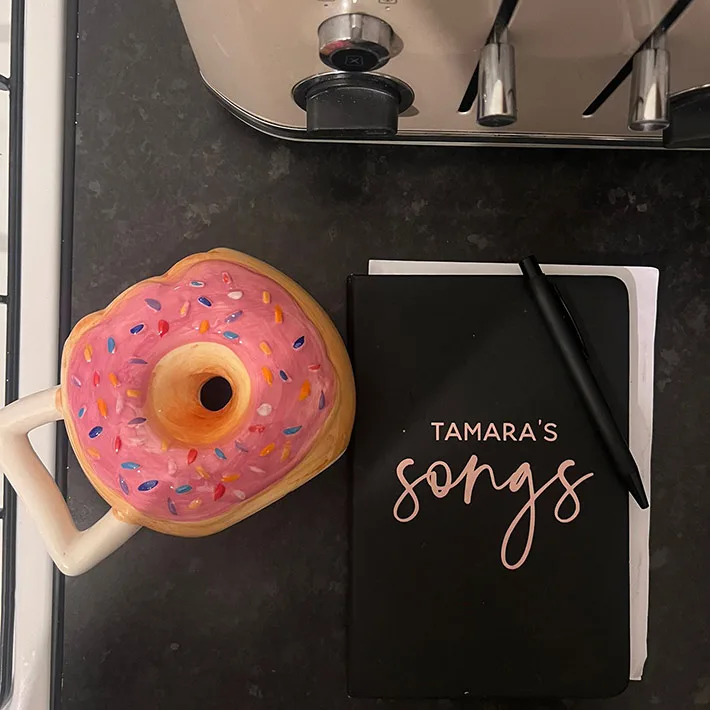
My songbook is my brain on paper. It’s full of half-finished lines, crossed-out metaphors, doodles, and little notes that only I understand, but it’s where every song begins. Writing by hand slows me down in a way typing never has. There’s something grounding about ink meeting the page that makes emotions feel more honest and less filtered, like I’m having a private conversation with myself.
I flip through old pages sometimes and meet the versions of me who wrote them: the girl who was hurting, the girl healing, the girl hopeful. My songbook has become an emotional archive, holding memories I didn’t even realise I’d documented. It’s the one thing I can’t create without.
2. A QUIET MORNING
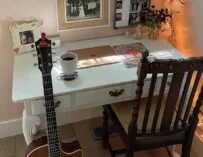
I’m definitely a morning writer. When the world is quiet, and no one needs anything from me yet, my creativity feels safest to come out. I’m not comparing myself; I’m not rushing ahead; I’m simply present with whatever wants to surface. Mornings give me room to breathe, and that stillness helps lyrics feel clearer and melodies feel more natural.
If I try to write when my mind is crowded, the song never fully lands. But give me a calm morning with no noise and no expectations, and everything aligns. That soft, slow start sets the emotional tone for my whole writing process.

Bess Atwell’s Songwriting Survival Kit
A second-hand Spanish guitar, a drum machine and ugly surroundings help thi... Read More+Sydney Minsky Sargeant’s Songwriting Survival Kit
With a debut solo album under his belt, the Working Men’s Club songwr... Read More+Holly Macve’s Songwriting Survival Kit
A handmade guitar crafted by the family luthier is... Read More+

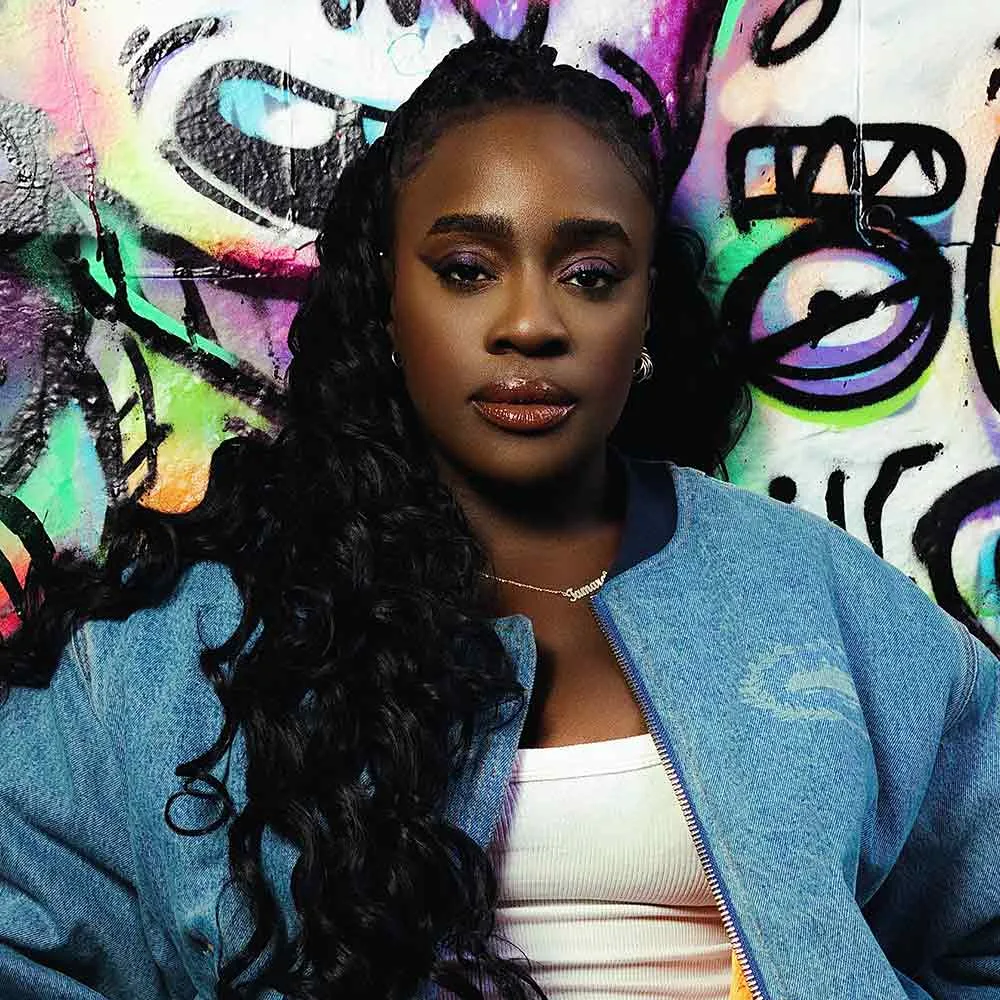
Tamara Dos Santos: “If I try to write when my mind is crowded, the song never fully lands.”
3. A CUP OF HERBAL TEA
My herbal tea might seem small, but it’s become its own ritual. It signals that I’m stepping into creative mode. I usually go for peppermint or chamomile – something warm, calming, and grounding. Holding the mug in my hands forces me to slow down and settle into my body before diving into something emotional.
Some of my favourite lyrics have come to me in those quiet moments between sips. The act of making tea, sitting with it, and letting myself ease into the session creates a gentle rhythm before the music even exists. It’s simple, but it works every time.

A magazine to keep. An archive to explore.
Get the latest edition, 40+ back issues, 3,200+ website articles and expert insights for songwriters
4. A TYPE BEAT ON YOUTUBE
Type beats are my secret doorway into inspiration. I’ll search for a “type beat” based on an artist I’m loving in the moment, and instantly, I’m dropped into a vibe. Sometimes it’s moody R&B, sometimes bright pop, sometimes something atmospheric that pulls out a different side of me.
Using a beat frees me up creatively because I’m not worrying about perfection or production yet. I’m just exploring, humming ideas, shaping melodies, and letting instinct lead. Some of my strongest songs started with a simple type beat that pushed me somewhere unexpected. Once the song exists, the beat gets left behind, but the inspiration stays.
5. A FEELING
Every song I write starts with a feeling. It can be heartbreak, joy, frustration, empowerment, whatever is sitting loudest in my chest. I can’t create from nothing; I have to feel something real first. When I understand what that feeling is trying to tell me, the lyrics and melodies form naturally around it.
My music resonates with people because it’s honest. Every song is a snapshot of a moment I lived. A feeling isn’t just part of my kit; it’s the foundation of everything.

This is how I write most of the time, but I’m learning to stay fluid. I used to struggle writing “live” in the studio, but lately I’ve realised it helps me shape melodies in real time. And that’s what songwriting is about – growing, experimenting, and discovering new ways to sharpen your tools
I’m So Over You by Tamara Dos Santos is out now and completes a song cycle that also includes Emotional, Do It, and Faded. For the latest music and more, follow @officiallytds
More Like This
JJ Wilde’s Songwriting Survival Kit
We explore the Canadian rock singer’s essential writing toolbox, incl... Read More+Bess Atwell’s Songwriting Survival Kit
A second-hand Spanish guitar, a drum machine and ugly surroundings help thi... Read More+Sydney Minsky Sargeant’s Songwriting Survival Kit
With a debut solo album under his belt, the Working Men’s Club songwr... Read More+Holly Macve’s Songwriting Survival Kit
A handmade guitar crafted by the family luthier is... Read More+







More Like This