
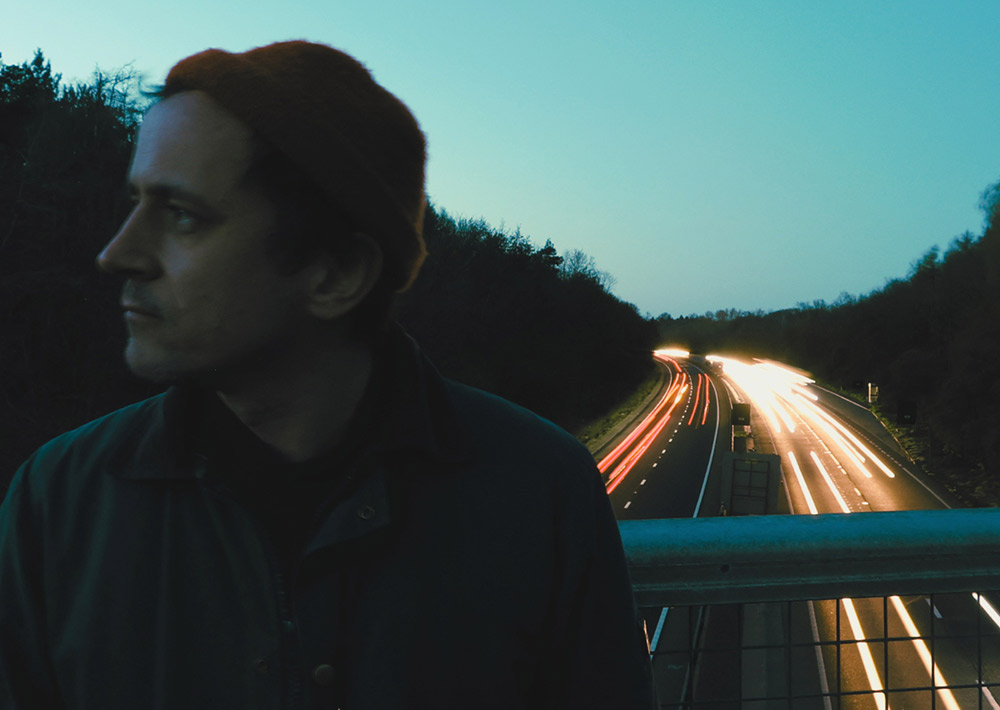
Jody Prewett: “Often, I’ll be inspired by a particular scene from a film or a book title.” Photo: Geoff Smith
Inspired by their new album ‘Places Beyond’, the Bath-based singer-songwriter and multi-instrumentalist shares a quartet of their key writing tenets
There’s no set formula for writing songs; everyone has their own method. That’s the magic of it; sometimes a song will appear out of nowhere, almost effortlessly. Other times you write in stages over a period of weeks or months. Sometimes you get stuck and decide to leave an idea alone before marrying it together with a chorus you are working on and it suddenly makes total sense. When you’re working on a new set of songs, it’s also important not to be afraid of trying out new approaches and push yourself outside of your natural comfort zone. This is something I tried to do with my new album Places Beyond.
1. SETTING THE SCENE
Putting an album of songs together is all about generating a sense of momentum and clarity. I like there to be a sense of cohesion and a distinct musical language that ties everything together. So, the first song I wrote for the body of work that eventually became Places Beyond was track five, An Apparition.
I wrote the song relatively quickly and it came into existence around 2024 alongside my previous set, River Songs. I diverted away from my previous songwriting method somewhat with Places Beyond and this song was the beginning of that process. Where before I allowed the lyrics to unfold in a more subconscious way, this time I knew what I wanted to write about before putting each song down.
So, on An Apparition, the lyrics take a narrative form and recount a ghostly encounter. This song established the direction of travel for the whole album, so it’s a lynchpin of sorts. I took the approach with this set of songs to have an overarching thematic concept that would tie everything together: recounting otherworldly events through a set of imagined folk tales.
2. FINDING THE NARRATIVE
My earlier forays into songwriting, in terms of theme, were quite abstract and I’d allow the listener to interpret the song however they chose to. I’ve always been totally fine with this idea; some of the greatest songs ever written don’t directly instruct the listener what to interpret or feel. I’ve always liked the idea that a song can mean a range of different things to different listeners, holding a kind of utility value.
A lot of the songs for Places Beyond, however, are based around clear narratives. I rarely write directly from personal experiences, preferring to create mythical, imagined spaces. I was drawn to more of a storytelling structure with these lyrics. The concept of the album is of folk tales that get passed down, recounting unusual events that happened long ago.
Often, I’ll be inspired by a particular scene from a film or a book title. On my previous album, there is a song called Ghostland, which is also a book by Edward Parnell that happened to be on my shelf at the time. Whereas the song Oblivion is about an alien encounter. The imagery in this song is inspired by cinema; namely scenes from Close Encounters Of The Third Kind and John Carpenter’s Starman.
3. GETTING TO KNOW THE SONGS
On River Songs, when I arrived in the studio, the songs were quite raw and untested. On this album, I’d spent a lot more time with them, performing them live, refining the contours of the music and even sketching out the arrangements and additional instrumentation well in advance of the recording sessions. I think you discover a lot about how to get the song across through performing it live. You learn so much about how to deliver a song effectively through sharing it regularly with a room full of people. There are some songs in my set that I feel are improving even now with each new performance, there’s never a plateau.
A magazine to keep. An archive to explore.
Get the latest edition, 40+ back issues, 3,200+ website articles and expert insights for songwriters
4. TUNINGS
I use a range of open tunings for songwriting. When you’re looking for a new melody or chord progression, it’s a brilliant way to get the ball rolling. I usually start with a melodic improvisation and find some chord positions, again improvising around new left-hand chord shapes. I don’t tend to follow standard chord shapes; I’m often forming shapes that I find myself.
On my previous album, I used my own tuning (CADGAB) that I stumbled upon through improvisation, which essentially enabled me to write three of the songs. One of the songs on this album is in fact written in that tuning, so there’s quite a nice link between the two albums.
When you’re putting an album together, open tunings can set the ball moving for a succession of songs to flow. I also like how it gives you this distinct tonality and a language that is identifiably yours. For Places Beyond, I returned to perhaps my most commonly used tuning, DADGCD; the first two tracks use this tuning, another continuation from my previous album. For the title track, Oblivion, Black Mountain Rose, and Magnolia Moon, I use CGCGCD with different capo positions. The other tuning I used for Truthseeker and The Clairvoyant is CGCGBE.
Places Beyond, the new album by Jody Prewett, is out now and you can find out more from jodyprewett.bandcamp.com

16 song starters
We pick a selection of kick-off ideas from The Song Foundry founder Ed Bell... Read More+Melody is king
Nashville-based songwriting coach Mark Cawley looks at the core music-makin... Read More+Four strategies for improving your lyrics
Nashville songwriting coach Mark Cawley gives us an extract from his book &... Read More+







More Like This